🗺️ A world map of missing fossils points to where new discoveries may hide
Two paleontologists charted 540 million years of shallow-sea fossil finds, and the gaps they found suggest younger rocks hold the biggest surprises.
The mystery
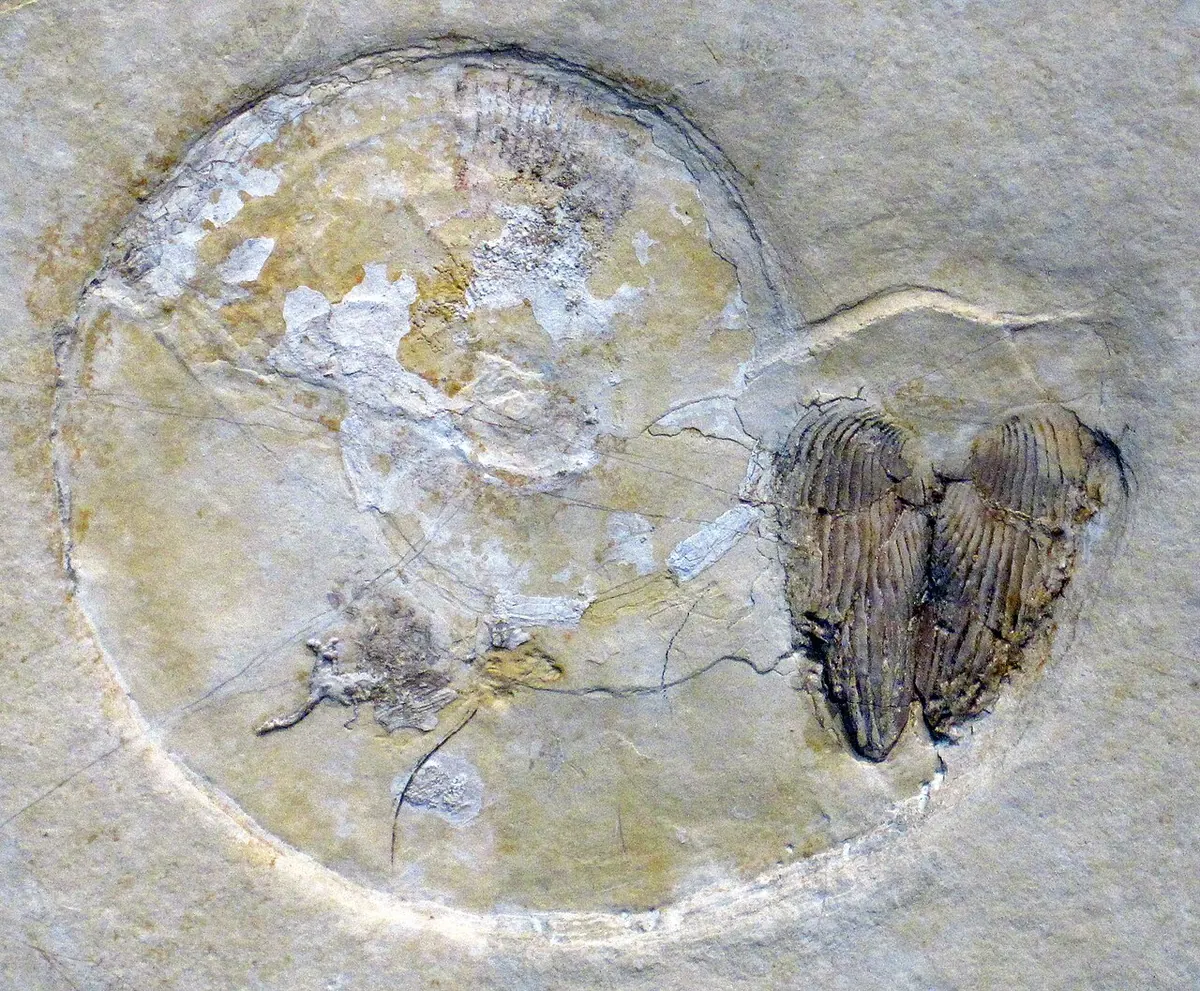
Only a tiny share of all creatures that ever lived turned into fossils, and many of those lie in rocks nobody has searched. Digging is slow and costly. So where should fossil hunters go next to learn the most?
The answer
Fossilisation is rare, and fossils can only be found where the right rock layers are exposed, so our view of ancient life has big holes. Thomas A. Neubauer of the Bavarian State Collections of Natural History and Mathias Harzhauser of the Natural History Museum in Vienna set out to map those holes. Using the free Paleobiology Database, they traced where fossils of shallow-water marine animals from the last 540 million years have been recorded, and how often research in each region has added new knowledge over time. They then compared this with rock data from the Macrostrat database to see where suitable formations exist but fossil records are thin. The result is the first map of regions where information is missing. It shows that the Palaeozoic and parts of the Mesozoic are already well studied, so more digging there may add little soon. The best chances for new finds, they say, lie in more recent geological periods.
Now think about this
If you could dig anywhere in the world for fossils, where would you start, and why?