🦴 Ancient teeth suggest a South African cave held only female Homo naledi
Proteins from the tooth enamel of at least 20 individuals of the extinct human relative showed no male marker at all.
The mystery
For over a decade, scientists have puzzled over why the adult Homo naledi bones from one cave chamber look so alike, with little sign of male–female differences. Now tiny proteins locked in their teeth offer a surprising possible answer.
The answer
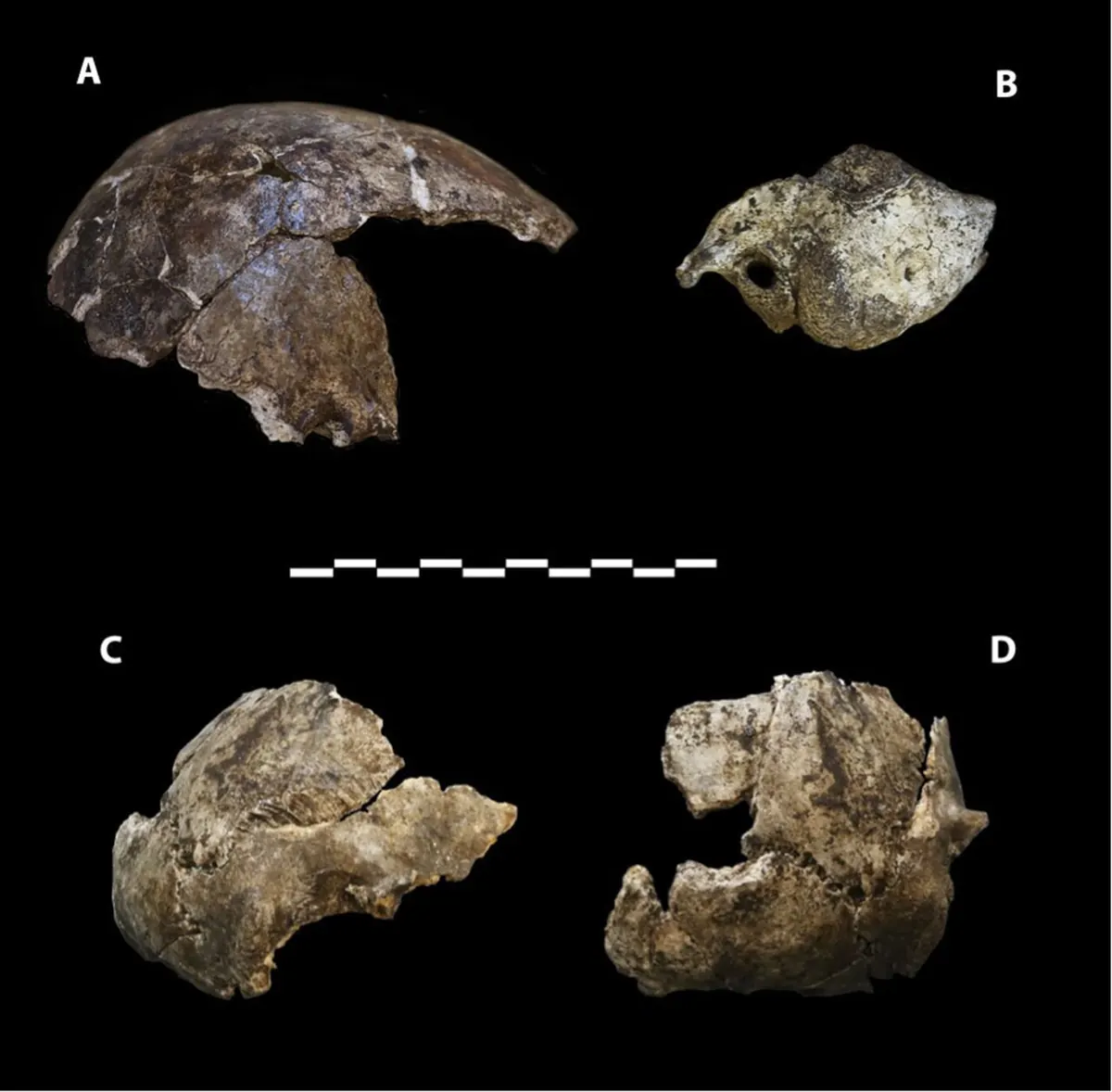
Homo naledi, a now-vanished cousin of our species dated to roughly 241,000–335,000 years before today, was first found in South Africa's Rising Star Cave system in 2013. In a study in the journal Cell, an international team including the universities of York and Copenhagen recovered ancient protein fragments from the fossils for the first time. Using a gentle acid-etching method to limit damage, they sampled 23 teeth from at least 20 individuals in the Dinaledi Chamber and looked for Amelogenin-Y, a protein whose instructions sit on the Y chromosome that only males carry. They found none. Tests confirmed the proteins were truly ancient, not modern contamination. One reading is that the chamber was used to bury only females, which could hint at complex customs once thought unique to our species. The researchers stress another possibility: in a very isolated population, the gene behind that protein may have mutated or vanished, so some individuals could still have been male.
Now think about this
If Homo naledi really kept a burial place for one sex, what might that tell us about how they lived?