🌟 A 'fake supernova' that flared 27 times hides a black hole partner
NASA's Chandra X-ray telescope suggests a restless giant star keeps flaring because a hidden dense partner steals gas from it every 113 days.
The mystery
Back in 2012, astronomers believed they had caught a massive star blowing itself apart. Then the light faded and the star was still sitting there. It has repeated the trick again and again ever since, and for years nobody could say why.
The answer
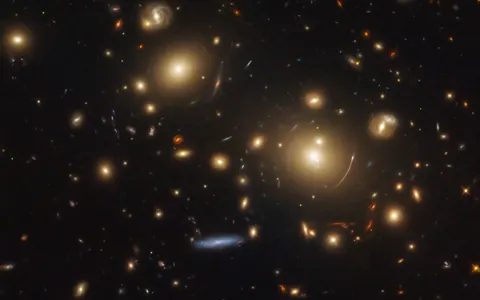
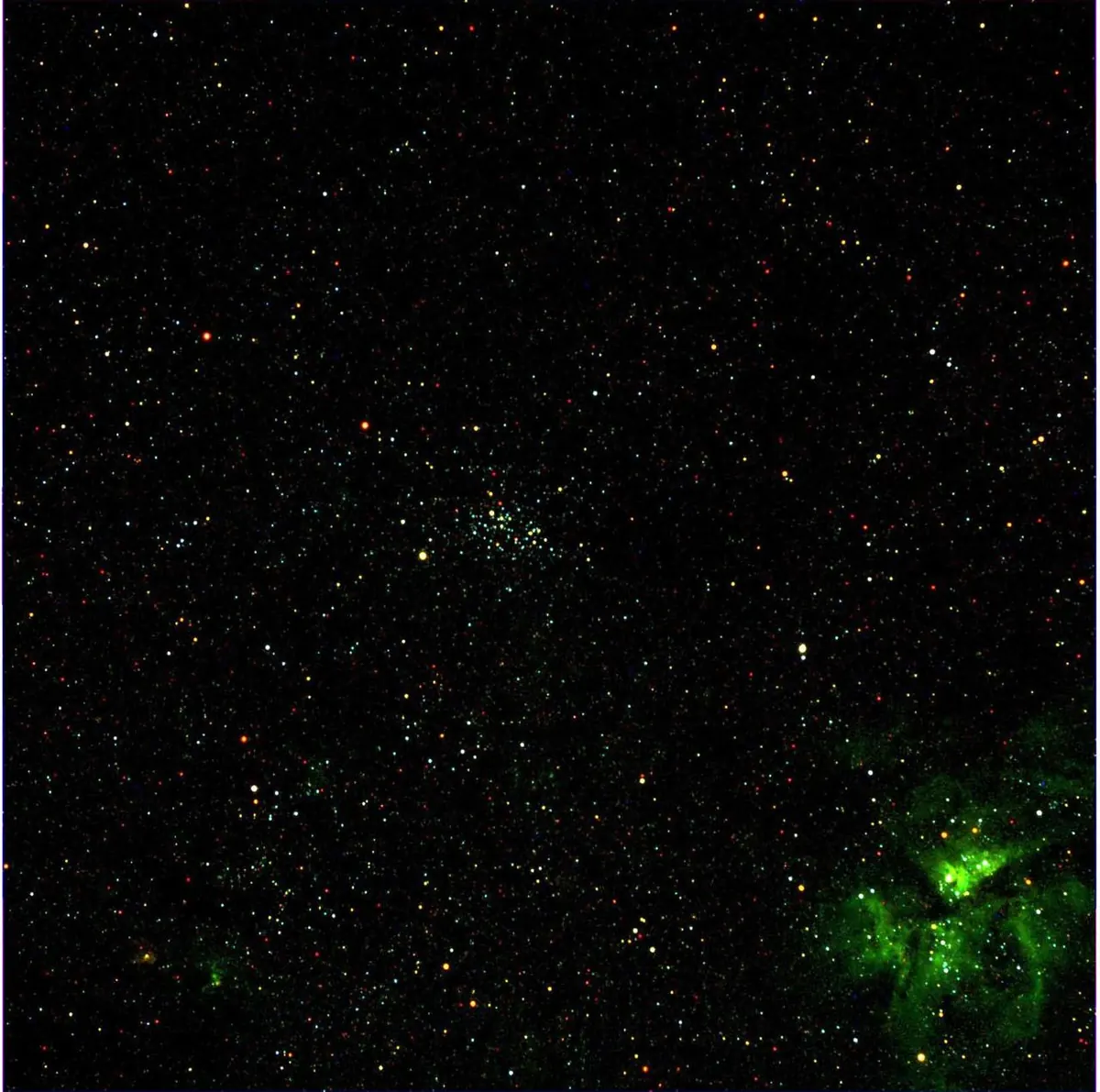
The object, called AT 2016blu, sits in the outer reaches of NGC 4559, a spiral galaxy, roughly 25 million light-years from us in Coma Berenices. It is a luminous blue variable, one of the heaviest and brightest kinds of star, and such stars are known to be unstable. But this one brightens on a schedule: about once every 113 days, 27 outbursts so far. A team led by Mojgan Aghakhanloo of the University of Virginia timed a Chandra observation to land during an outburst in March 2026, and the telescope recorded a strong flash of X-rays. Their explanation: an unseen, very dense companion — a black hole about the mass of a star, or perhaps a neutron star — travels on a stretched 113-day orbit. Each time it swings closest, its gravity pulls material off the big star, setting off the bright episode. That companion is the leftover of a star that once exploded for real.
Now think about this
If one star in a pair has already died, how long can its living partner survive being fed upon?